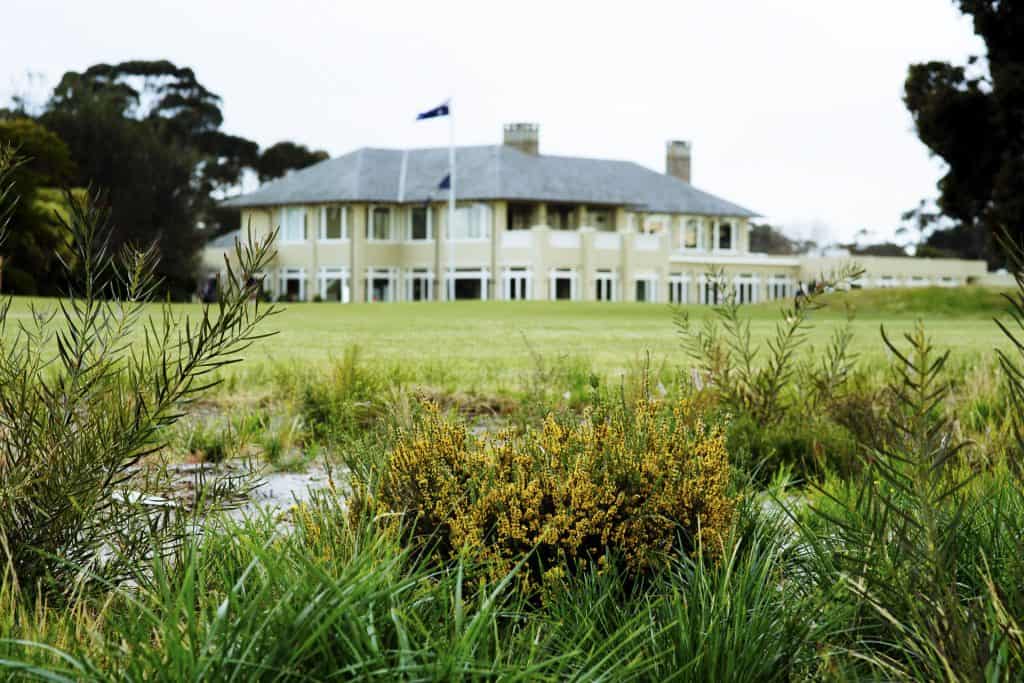
Explore the rich history and exceptional course design of The Royal Melbourne Golf Club, home to world-renowned tournaments and the legendary West and East Courses, crafted by visionary architects Alister Mackenzie and Alex Russell.
When renowned Scottish architect Dr. Alister Mackenzie was tasked with designing a course at the club’s new site, he was thrilled with the sandy, rolling terrain of the area. Arriving by ship in October 1926, Mackenzie found the land ideal for growing turf and easy to shape with horse-drawn equipment. His goal was to design a course that would challenge golfers of all skill levels, and his first move was to gather members’ ages and handicaps. Within a few short weeks, Mackenzie had crafted a masterpiece—the West Course.
Mackenzie then partnered with Alex Russell, the 1924 Australian Open champion and a club member, to co-design future courses. Russell later took the reins, designing the East Course, which officially opened in 1931.
From the 1930s onwards, The Royal Melbourne Golf Club has played host to prestigious tournaments, including the Australian Open, the World Cup, the Bicentennial Classic, and The Presidents Cup. Since 1959, these tournaments have been held on the Composite Course, a unique blend of six holes from Russell’s East Course and 12 from Mackenzie’s West.
Design Features that Define Greatness
The West Course
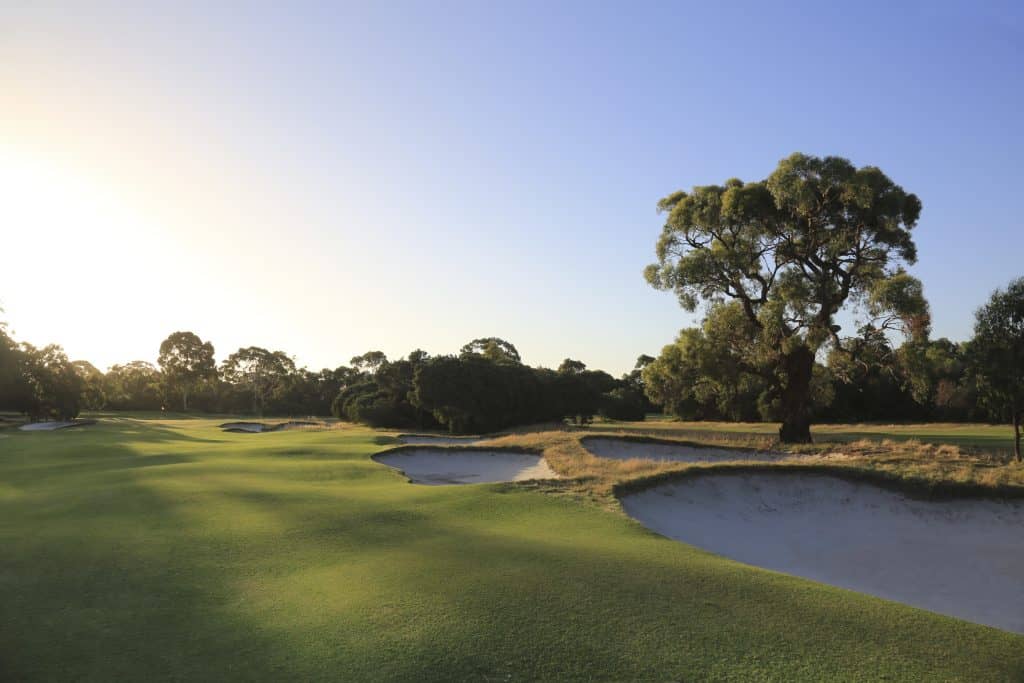
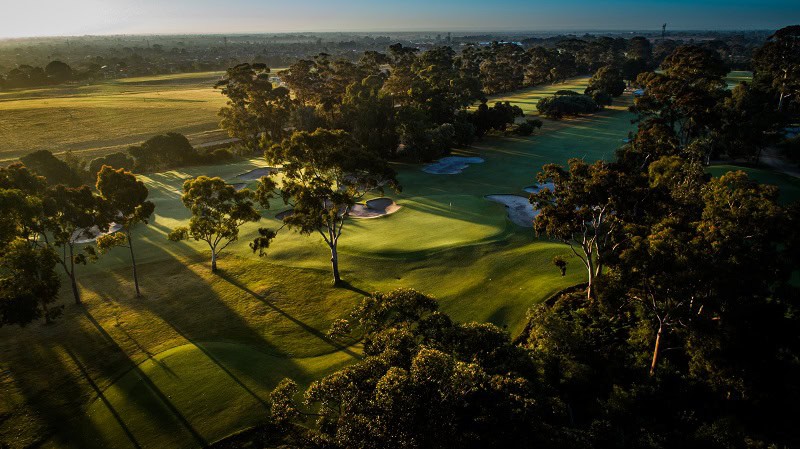
Volumes have been written about the West Course, often regarded as the pinnacle of golf course design. Its combination of dramatic undulations, fertile sandy soil, and rugged natural beauty makes it a true masterpiece. The bold bunkering is visually stunning, while the rough areas around tees and bunkers are framed by native grasses, adding definition and contrast without distracting from strategic play.
The greens, large and beautifully contoured, have been regarded as some of the finest putting surfaces in Australia. Built to accommodate various approach angles, each one becomes more challenging the further a shot deviates from the ideal line.
The East Course
While the East Course may be overshadowed by its sibling, it shines with its own brilliance. The first seven “home paddock” holes are a standout, featuring superb bunkering and smaller but intricately sloped greens. The opening stretch offers a brilliant mix of risk and reward, allowing golfers to take on aggressive lines or play it safe, with birdie or bogey just a shot away.
The closing holes are equally memorable. The short par 4 at the 15th, followed by the heavily bunkered 16th, sets the stage for an exciting finish. The final two holes, also part of the Composite Course, provide one of the most thrilling conclusions in golf.
The 6th on the West Course
Among Mackenzie’s many great designs, the 6th hole on the West Course stands out as one of his finest. This 391-meter par 4 presents a challenge from the very first shot. From a high tee, players must decide whether to drive over the bunkers guarding the corner of the dogleg or play it safe to the left. While the safer route leaves a long second shot, taking the riskier line rewards players with a shorter approach.
The green is notoriously difficult, sloping sharply from back to front. Even the great Tom Weiskopf fell victim to its treacherous surface, famously four-putting during the 1972 World Cup. Ernie Els, too, struggled on this hole during the 2004 Heineken Classic, turning a perfect drive into a disastrous eight on his scorecard.
In the world of golf, few clubs can claim the heritage, design quality, and prestige of The Royal Melbourne Golf Club. From the brilliance of its West Course to the challenges of the East, this club remains a bucket-list destination for golfers worldwide.
If you’re interested in golfing in Australia or have any inquiries, we would love to hear from you. Please feel free to contact us for more information or to plan your visit.