Exploring The Royal Melbourne Golf Club: East Course
A Deep Dive into the East Course
Threads
Facebook
X
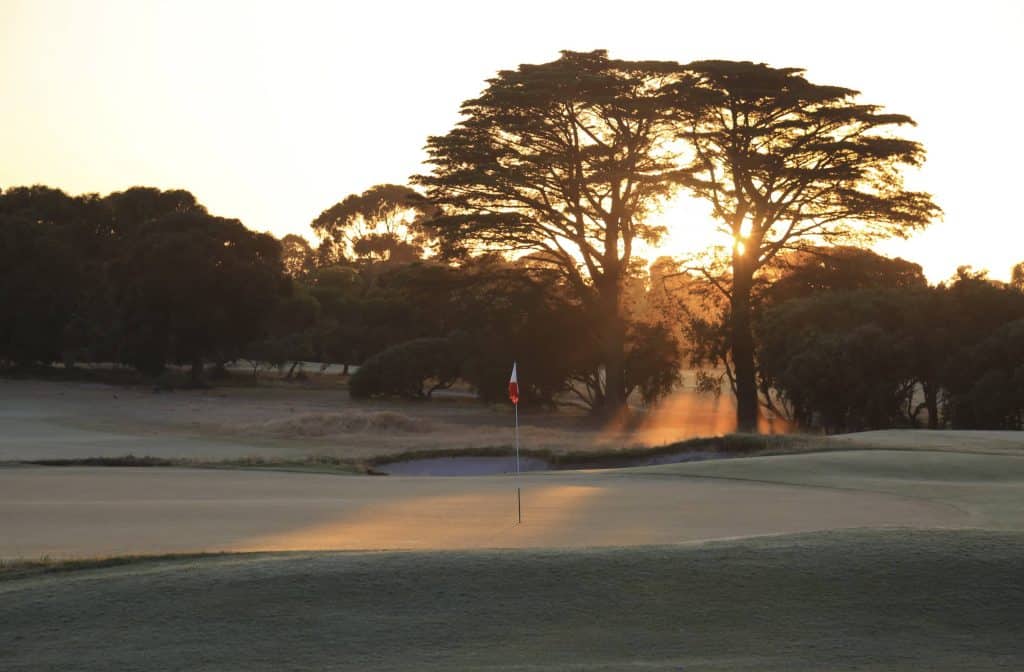
Located in Melbourne, Victoria, The Royal Melbourne Golf Club is celebrated worldwide for its stunning courses. The East Course, while often overshadowed by its famous sibling, the West Course, is a masterpiece of golf course design. With a rich history, strategic layout, and breathtaking features, it’s a must-play for any golf enthusiast.
Location: Melbourne, Victoria
Designers: Alex Russell, 1932; Tom Doak (Renaissance Golf Design), 2012 and ongoing
The Royal Melbourne Golf Club East Course was conceptualized in the 1930s, following Dr. Alister MacKenzie’s departure after designing the West Course. The idea arose when additional land became available near the main Black Rock site. Alex Russell, MacKenzie’s trusted associate, was chosen to design the second course.
Under the careful supervision of head greenkeeper Mick Morcom, the East Course came to life in 1932. Covering three distinct parcels of land, the course’s routing requires golfers to cross several roads during play. This unique layout led to the creation of the famous Composite Course in 1956, combining the best holes from both courses into a single 18-hole masterpiece.
Course Design and Strategic Play
Distinctive Features
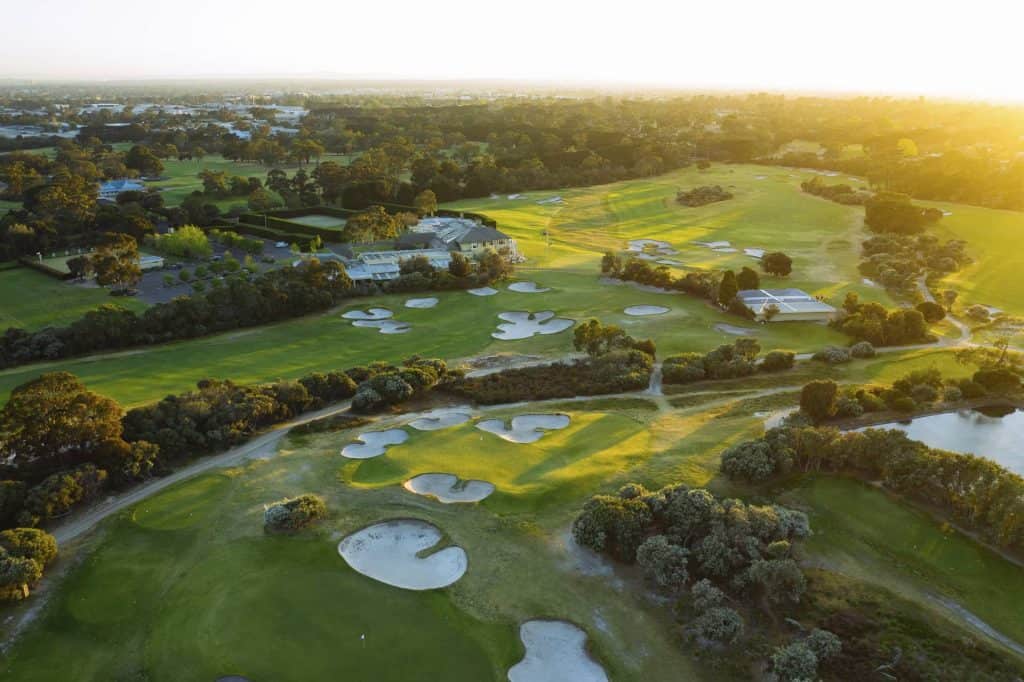
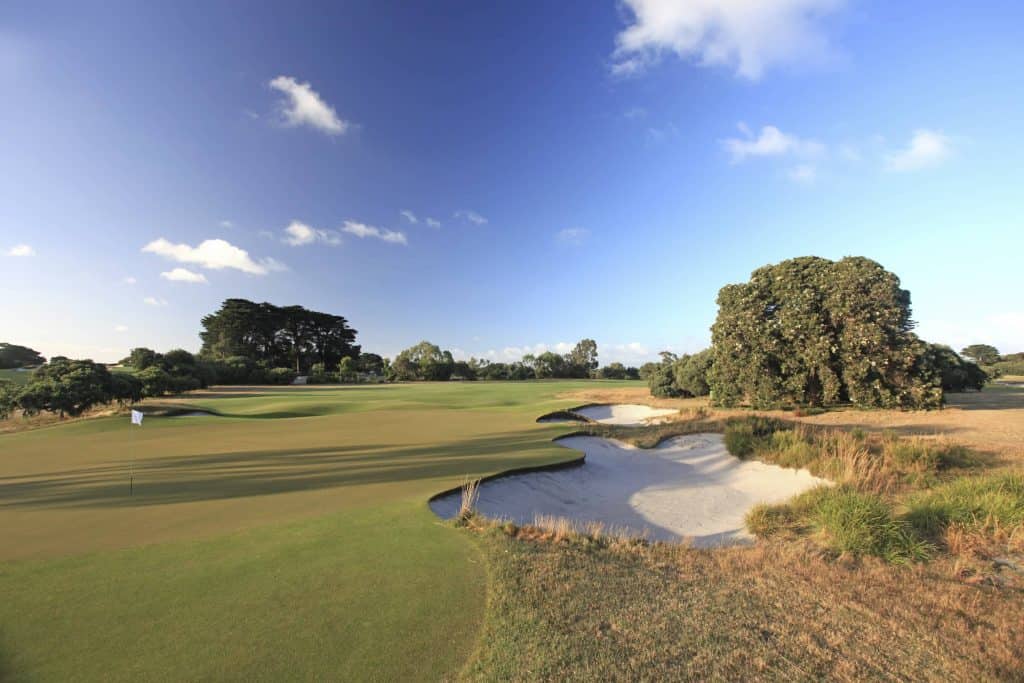
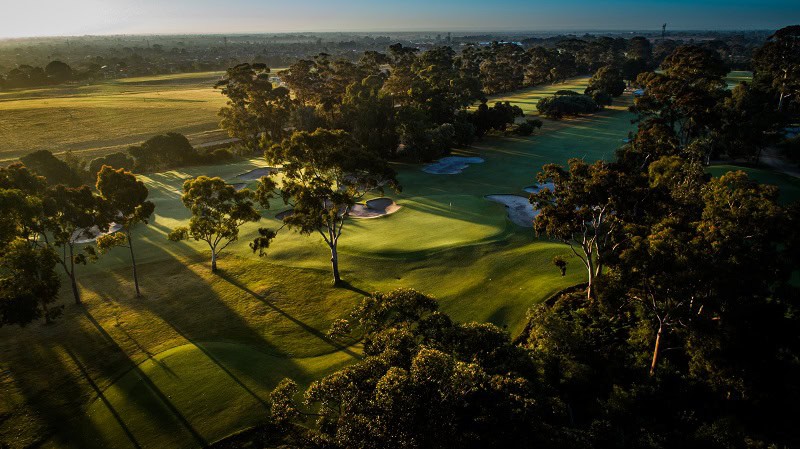
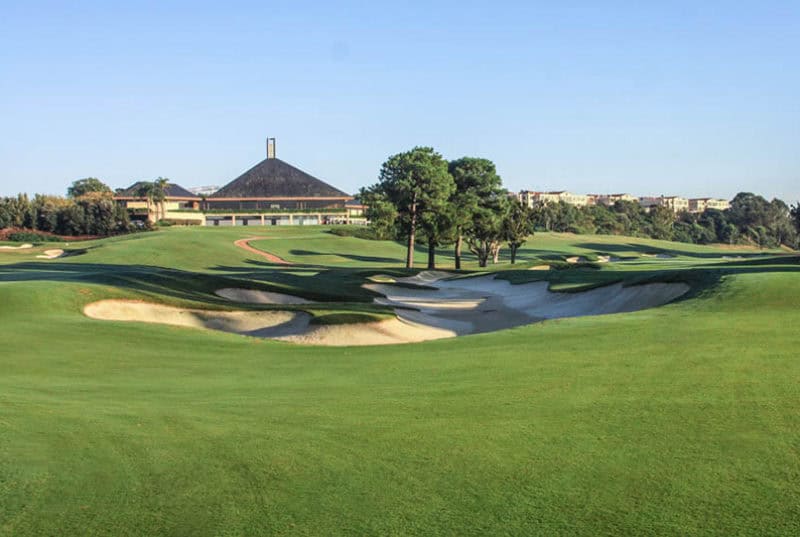
The East Course may not feature the rolling terrain of its West counterpart, but it excels in its strategic bunkering and green contouring. Alex Russell’s design draws heavily from MacKenzie’s principles, emphasizing risk-and-reward scenarios that challenge golfers to think carefully about every shot.
The seven holes situated in the club’s main paddock stand out as some of the finest. They blend seamlessly with the natural landscape, showcasing Russell’s ability to create world-class holes. If the East Course existed on its own, separate from the legendary West, it would likely receive far more acclaim.
Memorable Par-4s and Par-3s
1st Hole – 304 meters, Par 4 The course begins with a deceptively short par-4. The wide fairway is guarded by a large bunker on the right, shared with the West Course’s 8th hole. Players who navigate the sand and make an accurate uphill approach to the tiered green are rewarded with a great birdie opportunity.
4th Hole – 184 meters, Par 3 This uphill par-3 is regarded as one of the finest in Australia. With the green angled away from the tee and bunkers flanking both sides, it demands precise shot-making. The hole’s difficulty is compounded by wind conditions, which can drastically change the club selection. Notably, this hole features in the Composite Course as the 16th, further cementing its place in golfing history.
16th Hole – 151 meters, Par 3 Nestled in the paddock between the 4th and 17th holes, the 16th is a hidden gem. American golfer Ben Crenshaw once praised its beauty during the 1988 Bicentennial Golf Classic. Restored under the guidance of Tom Doak, the hole now reflects Alex Russell’s original design intent, complete with a uniquely shaped green and strategically placed bunkers.
Challenging Par-5s
10th Hole – 457 meters, Par 5 This sweeping dogleg requires a strategic approach. While players can take a conservative three-shot route, those chasing birdies must contend with 12 bunkers lining the fairway. The green’s sharp slope from front to back adds another layer of difficulty, testing even the most seasoned golfers.
17th Hole – 520 meters, Par 5 The penultimate hole offers a classic risk-and-reward scenario. Golfers must decide whether to lay up short of the diagonal bunkers or attempt a daring carry to leave a shorter approach. The 17th gained fame during the 1998 Presidents Cup when Nick Price clinched victory for the internationals.
18th Hole – 395 meters, Par 4 Concluding the round is one of Australia’s toughest finishing holes. The fairway narrows, and bunkers guard the green’s entrance, demanding both accuracy and composure. The green itself is vast, requiring precision with approach shots and putting. The 18th is a fitting end to a challenging and rewarding round.
The Royal Melbourne Golf Club East Course combines history, strategy, and beauty into a must-play experience. While the West Course often takes center stage, the East Course deserves recognition for its exceptional design and memorable holes. Together, they form the premier 36-hole facility in the Southern Hemisphere.
Plan your visit to the Royal Melbourne Golf Club and experience firsthand why it continues to stand as a benchmark for excellence in golf course design.